

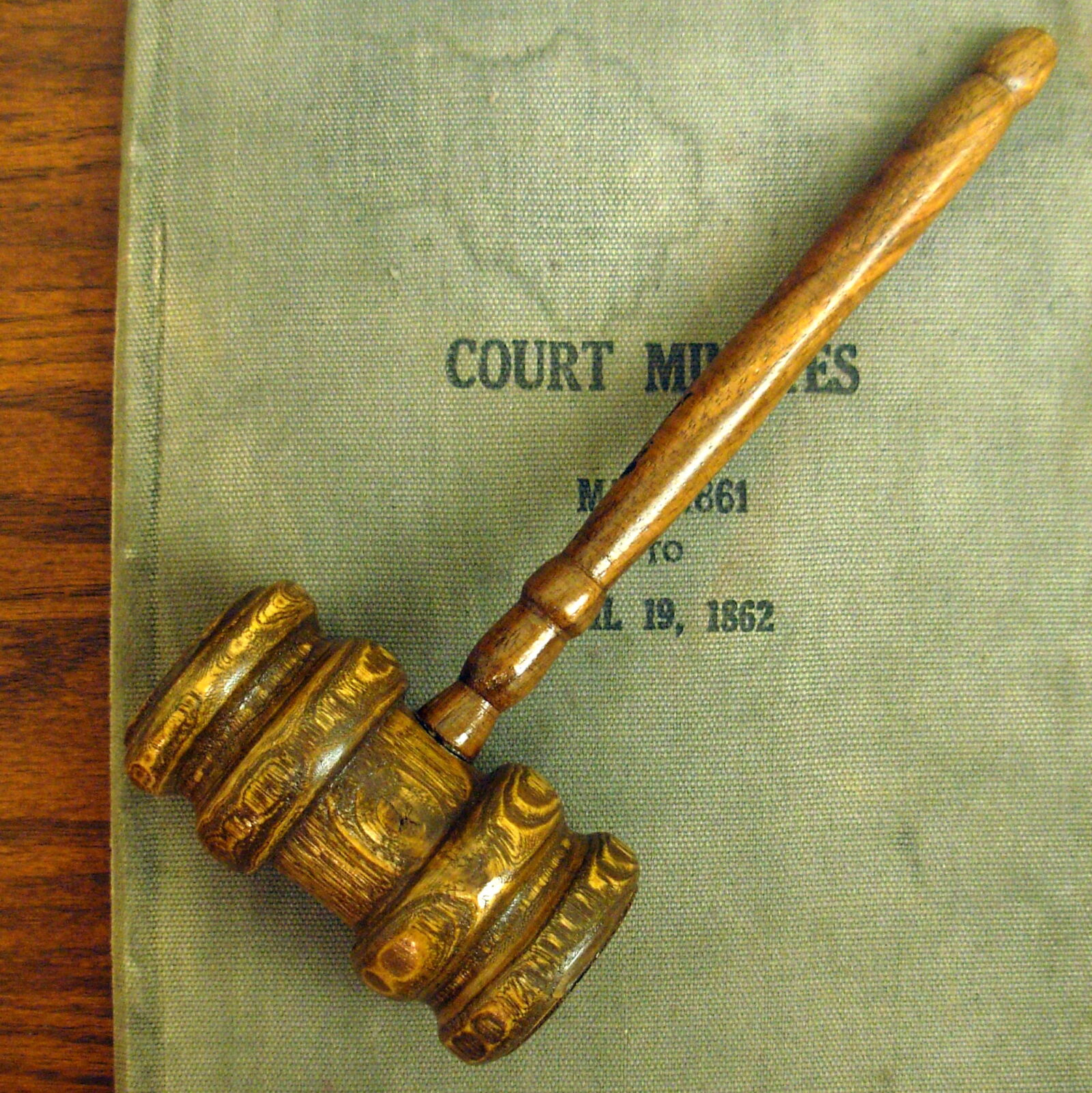
Procedural justice refers to the fairness of the processes used to resolve legal disputes. In the United States legal system, it emphasizes that individuals should be treated fairly throughout every stage of a legal proceeding, from investigation and trial to appeals. The focus is not only on the outcome of a case but also on how the decision is reached.
Key elements of procedural justice include transparency, impartiality, and the opportunity for individuals to present their arguments. Courts ensure that both sides have the ability to provide evidence, challenge opposing claims, and receive a fair hearing before an impartial judge.
Procedural rules help maintain order and fairness within the legal process. These rules guide how evidence is presented, how hearings are conducted, and how decisions are recorded and reviewed.
By maintaining fair procedures, the justice system reinforces public confidence and ensures that legal decisions are respected, even when outcomes may be difficult for one party.












Leave a comment